
Women and Land Fraud in Nigeria & Africa: Understanding the 65% Victimization Crisis
Introduction: A Crisis Affecting Millions
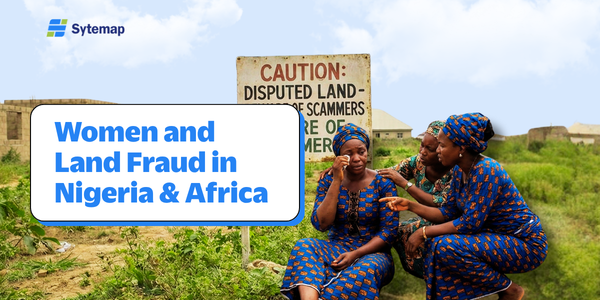
Land fraud represents one of the most pressing yet underreported challenges facing women across Africa. In Nigeria alone, research conducted in 2024 reveals a startling reality: 65 percent of victims of land scams are women. This isn’t just a statistic; it represents millions of women losing their life savings, homes, and futures to fraudulent property schemes.
Despite contributing approximately 70% of Africa’s food production and accounting for nearly half of all farm labor, women remain systematically excluded from secure land ownership. The consequences are devastating: economic destitution, homelessness, gender-based violence, and psychological trauma that reverberates through families and communities.
This comprehensive analysis examines why women are disproportionately targeted for land fraud, the mechanisms scammers use, and what can be done to protect women’s property rights across Nigeria and the African continent.
The Scale of the Crisis: Alarming Statistics on Women Land Fraud
Key Statistics on Women Land Fraud Victims
The data on women’s vulnerability to land fraud is both comprehensive and concerning:
65% of land scam victims in Nigeria are women. This figure represents a critical gender disparity in property transactions and land security that demands immediate attention.
Beyond Nigeria, the World Bank reports that in Sub-Saharan Africa, only 13 percent of women claim sole ownership of land, compared to 36 percent of men. In Nigeria specifically, the gender gap is even more pronounced: less than 2 percent of women own land by themselves, compared to 17 percent of men.
The vulnerability of widows is particularly acute. A study in Zambia demonstrated that more than one-third of widows lost access to family land following the death of their husbands. Similarly, in Tharaka Nithi County, Kenya, local authorities reported a doubling of land fraud cases in 2019, with a noticeable increase in “homeless grannies” whose land was stolen by family members.
Critical Statistics Table
|
Metric
|
Statistic
|
Region
|
Source
|
|
Land scam victims who are women
|
65%
|
Nigeria
|
Industry Research (2024)
|
|
Women’s sole land ownership
|
< 2%
|
Nigeria
|
Landesa (2018)
|
|
Men’s sole land ownership
|
17%
|
Nigeria
|
Landesa (2018)
|
|
Women’s sole land ownership
|
13%
|
Sub-Saharan Africa
|
World Bank (2023)
|
|
Men’s sole land ownership
|
36%
|
Sub-Saharan Africa
|
World Bank (2023)
|
|
Widows losing family land access
|
> 33%
|
Zambia
|
UN Africa Renewal (2008)
|
|
Certificates of Occupancy to women
|
20%
|
Nigeria
|
Academic Research
|
How Land Fraud Works: Understanding the Mechanisms
1. Familial Property Grabbing and Widow Evictions
One of the most prevalent forms of land fraud against women is perpetrated by their own relatives, particularly following the death of a husband. Property grabbing has emerged as a new form of gendered violence across Southern and East Africa.
Widows are frequently accused of bringing illness (such as HIV/AIDS) into the family—a pretext used by in-laws to confiscate their land and other property. This practice is not only morally reprehensible but also economically devastating for vulnerable women.
The Widow Fraud Scheme:
In rural Kenya, a common fraudulent scheme involves young, unemployed relatives who visit elderly widows under the guise of familial duty. These relatives trick the widows into handing over their original land title deeds—often claiming the documents need to be “checked by the government”—forge new documents, secretly sell the land, and disappear. The widows are subsequently evicted by the new “owners,” leaving them destitute and homeless.
2. Real Estate Scams and Market Vulnerability
In urban and peri-urban areas, women seeking to purchase land independently face significant risks from fraudulent real estate agents and developers. The high costs of land acquisition, coupled with a fear of fraud and societal biases, create an environment where women are easily exploited.
Women, particularly those lacking legal literacy or access to secure verification platforms, are frequently sold:
•Land with defective titles
•Land subject to ongoing litigation
•Land that has been sold to multiple buyers simultaneously
•Properties with hidden charges and undisclosed liabilities
Real Stories: Women’s Experiences with Land Fraud
The reality of these scams is vividly captured in the personal experiences of Nigerian women navigating the property market.
Engr. Robert Edu, CEO of Moppet Foods, shared her costly experience:
“I lost ₦400,000 to Land Fraud when I was younger because I didn’t know much about land then. But now I know better.”
Even experienced professionals are not immune to sophisticated schemes. Uloma Onuorah, Strategic Business Analyst at Kiakia Bits Limited, recounted a near-miss:
“I had a near scam experience twice in Lagos! It initially looked so smooth, but then a senior colleague overheard my phone conversations and asked me to be wary. I was about to make the transfer. This was 2018.”
The fear of these pervasive scams creates a significant psychological barrier to entry. Gloria Ojukwu, Founder of Hertechtrail, articulated the common anxieties that deter women from investing:
“I am scared of the following: 1. Paying for land and having to wait for allocation. 2. Buying land with hidden charges only to start paying for what you didn’t bargain for when the estate is set up. 3. Fake allocations.”
Why Women Are Disproportionately Targeted: Root Causes
1. Discriminatory Customary Laws and Patrilineal Systems
Women’s vulnerability to land fraud is strongly influenced by regional customary laws that prioritize patrilineal inheritance systems. In Nigeria, these variations dictate the extent to which women can access and secure land.
Western Nigeria (Yoruba Region):
It is generally uncommon for women to inherit land unless there are no male offspring. While legally married women may inherit their husband’s land, they risk losing these rights if they do not bear children.
It is generally uncommon for women to inherit land unless there are no male offspring. While legally married women may inherit their husband’s land, they risk losing these rights if they do not bear children.
Southern and Eastern Nigeria (Igbo Region):
The patrilineal system is particularly rigid. Girls cannot inherit their father’s property if they have male siblings. Widows without male children typically lose their husband’s land to his male relatives.
The patrilineal system is particularly rigid. Girls cannot inherit their father’s property if they have male siblings. Widows without male children typically lose their husband’s land to his male relatives.
Northern Nigeria:
Customary and religious norms often compel women to relinquish their inheritance rights due to intense social pressures, creating the most restrictive environment for women’s land ownership in the country.
Customary and religious norms often compel women to relinquish their inheritance rights due to intense social pressures, creating the most restrictive environment for women’s land ownership in the country.
2. Cultural Conditioning and Internalized Barriers
These systemic barriers are often internalized from a young age. Adeola Ogunlana, CEO of Mangrove Foods, reflects on this cultural conditioning:
“Growing up, I was told that owning land wasn’t my responsibility as a woman—it was something for my brothers or husband. But deep down, I always knew I deserved to claim my own space.”
This internalized belief that land ownership is not a woman’s responsibility creates a psychological barrier that scammers exploit.
3. Weak Legal Enforcement and Knowledge Gaps
While many African nations have enacted statutory laws to protect women’s property rights, their implementation remains severely deficient. In Nigeria, the 1978 Land Use Act established a state-owned land system intended to provide equal opportunities for men and women to acquire land. However, the Act’s benefits were largely restricted to legally married women, and it failed to supersede the deeply entrenched customary practices that govern most land transfers.
Furthermore, the average citizen possesses poor knowledge of statutory land laws, and up to 40 percent of land in Nigeria may be prone to legal disputes over rightful ownership. This widespread tenure insecurity disproportionately impacts women, who often lack the financial resources and social capital required to navigate complex legal disputes or secure formal documentation.
4. Economic Dependency and Limited Access to Information
Women’s economic dependence on male relatives for access to land, combined with limited access to legal information and secure property-transaction platforms, creates a perfect storm for fraud. Women often lack:
•Access to reliable property verification services
•Knowledge of legal rights and protections
•Financial literacy regarding property transactions
•Networks that provide trustworthy property recommendations
The Devastating Consequences of Land Fraud
Economic Destitution
The loss of land often equates to the loss of a primary livelihood, particularly in rural areas where agriculture is the main source of income. Women who are defrauded of their land frequently face extreme poverty and food insecurity, unable to feed their families or invest in their futures.
Homelessness and Displacement
Fraudulent evictions, particularly those perpetrated against widows, routinely result in homelessness. Victims are often forced to relocate to urban slums or rely on inadequate social welfare programs that provide only temporary relief.
Gender-Based Violence
The process of property grabbing is frequently accompanied by physical and mental harassment, intimidation, and abuse. Women who attempt to defend their property rights may face severe violence or ostracization from their communities.
Psychological Trauma
The betrayal by family members and the sudden loss of security contribute to increasing rates of mental illness and suicide among victims of land fraud. The psychological impact extends far beyond the individual, affecting entire families and communities.
Solutions: Protecting Women’s Land Rights
1. Digital Verification and Secure Platforms
The modernization of land registries and the development of secure, transparent property transaction platforms can significantly reduce fraud. Digital systems that prevent forgery and provide real-time verification of ownership can protect women from fraudulent schemes.
2. Legal Literacy and Awareness Programs
Comprehensive education programs that teach women about their legal rights, property laws, and fraud prevention strategies are essential. Women need access to information about:
•Their constitutional and statutory rights to property
•How to verify land titles and ownership
•Red flags indicating fraudulent schemes
•Resources for legal assistance
3. Strengthening Legal Enforcement
Governments must prioritize enforcing existing laws that protect women’s property rights. This includes:
•Establishing specialized courts for property disputes
•Training law enforcement to recognize and prosecute land fraud
•Providing accessible legal aid for women victims
4. Reforming Customary Law
While respecting cultural traditions, governments must work with community leaders to reform customary practices that discriminate against women. This includes advocating for:
- Equal inheritance rights regardless of gender
- Protection of the widow’s rights to marital property
- Community-based dispute resolution mechanisms that protect women
5. Accessible, Trusted Property Transaction Platforms
The development of secure, user-friendly platforms that connect women with verified developers and real estate professionals can reduce fraud. These platforms should include:
- Verified seller and developer profiles
- Transparent pricing and terms
- Secure payment mechanisms
- Legal document verification
- Customer support and dispute resolution
Conclusion
The staggering statistic that 65 percent of land scam victims in Nigeria are women is not an anomaly, but rather a reflection of systemic gender inequalities that pervade land tenure systems across Africa. Discriminatory customary laws, weak statutory enforcement, and socioeconomic marginalization converge to create an environment where women are systematically dispossessed of their property rights.
Addressing this crisis requires a multifaceted approach that goes beyond legislative reform. It demands:
- Comprehensive legal literacy programs that empower women with knowledge
- Modernization of land registries to prevent forgery and fraud
- Dismantling of patriarchal inheritance norms through cultural change
- Establishment of accessible, secure platforms for property transactions
Until these systemic vulnerabilities are addressed, women will continue to bear the disproportionate burden of land fraud in Africa. The time for action is now. Women deserve the right to own, inherit, and control property without fear of fraud or exploitation.
About Sytemap: Sytemap is committed to bridging the gap between women and secure land ownership in Africa. Through our transparent platform and commitment to fraud prevention, we empower women to invest in property with confidence. Learn more about how we’re transforming land access for women across Africa.
Are you a woman looking to invest in land safely? Discover how Sytemap’s verified platform protects you from fraud and connects you with trusted developers. Start Your Land Journey Today
Have a story about land fraud? Share your experience to help other women stay safe. Submit Your Story